Hey there! I’m a supplier of capsules, and I’ve been in this business for quite a while. Capsules are super common in the pharmaceutical, nutraceutical, and even food industries. But do you really know what the different parts of a capsule do? Well, let’s dive right in and explore the functions of these parts. Capsules

The Shell
The shell is the most obvious part of a capsule. It’s like the outer wrapper that holds everything inside. Capsule shells are usually made from two main types of materials: gelatin and vegetarian alternatives like hydroxypropyl methylcellulose (HPMC).
Gelatin Shells
Gelatin is a protein derived from animal collagen, typically from cows or pigs. Gelatin shells are great because they’re easy to swallow. They dissolve quickly in the stomach, releasing the contents inside. This is super important for medications and supplements because it allows the body to absorb the active ingredients fast.
One of the key functions of a gelatin shell is to protect the contents from the outside environment. It keeps moisture, oxygen, and light away from the stuff inside. This helps to preserve the stability and effectiveness of the product. For example, if you have a vitamin supplement that’s sensitive to light, the gelatin shell will shield it and prevent it from breaking down.
Vegetarian Shells (HPMC)
For those who follow a vegetarian or vegan diet, HPMC shells are a great option. They’re made from plant-based materials, so they’re suitable for a wider range of consumers. HPMC shells also have good solubility. They dissolve in the stomach just like gelatin shells, allowing the body to access the contents.
Another advantage of HPMC shells is that they can be formulated to have different release profiles. This means that the contents can be released slowly over time or all at once, depending on the needs of the product. For instance, some time-release medications use HPMC shells to ensure a steady release of the drug throughout the day.
The Filling
The filling is what’s inside the capsule. It can be a powder, a liquid, or a semi-solid substance. The filling contains the active ingredients, such as drugs, vitamins, minerals, or herbal extracts.
Powders
Powders are the most common type of filling. They’re easy to manufacture and can be formulated to contain a precise amount of the active ingredient. Powders can also be mixed with other substances, like binders or fillers, to improve their flowability and compressibility.
One of the functions of the powder filling is to provide a convenient way to administer the active ingredient. Instead of taking multiple tablets or liquids, you can just swallow a single capsule. Powders are also easy to store and transport, which is important for both manufacturers and consumers.
Liquids
Liquid fillings are becoming more popular, especially for products that are difficult to formulate as powders. Liquids can be more easily absorbed by the body, which can lead to faster and more effective results. For example, some omega-3 fatty acid supplements are available in liquid-filled capsules because the oil is more bioavailable in liquid form.
Liquid fillings also allow for better control over the dosage. The amount of liquid in each capsule can be accurately measured, ensuring that the consumer gets the right amount of the active ingredient. However, liquid fillings require special packaging to prevent leakage and ensure stability.
Semi-Solids
Semi-solid fillings are a combination of powders and liquids. They have a thicker consistency than liquids but are more flexible than powders. Semi-solid fillings can be used to encapsulate substances that are too viscous to be in liquid form or too unstable to be in powder form.
One of the advantages of semi-solid fillings is that they can provide a sustained release of the active ingredient. The semi-solid matrix can slow down the release of the drug or supplement, allowing for a more prolonged effect. This is especially useful for medications that need to be taken less frequently.
The Seal
The seal is the part of the capsule that holds the two halves of the shell together. It’s important because it prevents the contents from leaking out and keeps the capsule intact.
There are different types of seals, depending on the manufacturing process. Some capsules have a simple snap-fit seal, where the two halves of the shell are designed to fit together tightly. Other capsules have a more advanced seal, such as a heat-sealed or ultrasonic-sealed joint.
The seal also plays a role in protecting the contents from contamination. It keeps out bacteria, dust, and other foreign particles, ensuring the safety and quality of the product.
The Printing
Many capsules are printed with information such as the brand name, dosage, and expiration date. Printing on capsules serves several functions.
First, it provides important information to the consumer. This helps them to identify the product and ensure that they’re taking the right dosage. Printing also adds a level of professionalism and brand recognition to the product.
Second, printing can be used to prevent counterfeiting. By printing unique codes or markings on the capsules, manufacturers can make it more difficult for counterfeiters to copy their products.
Why Choose Our Capsules?
Now that you know about the functions of the different parts of a capsule, you might be wondering why you should choose our capsules. Well, we take pride in providing high-quality capsules that meet the needs of our customers.
Our capsules are made from the best materials, whether it’s gelatin or HPMC. We ensure that the shells are strong, flexible, and easy to swallow. Our filling processes are precise, so you can be sure that each capsule contains the right amount of the active ingredient.
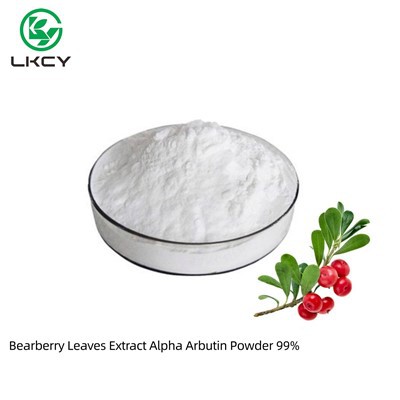
We also offer a wide range of customization options. Whether you need a specific size, shape, or color of capsule, we can make it happen. And our printing services are top-notch, so you can have your brand name and information clearly printed on the capsules.
Chemicals If you’re interested in purchasing our capsules, we’d love to have a chat with you. We can discuss your specific requirements and provide you with a quote. Just reach out to us, and we’ll be happy to help you take your product to the next level.
References
- "Handbook of Pharmaceutical Excipients" by Raymond C. Rowe, Paul J. Sheskey, and Marian E. Quinn
- "Pharmaceutical Dosage Forms: Tablets" by Herbert A. Lieberman, Leonard Lachman, and Joseph B. Schwartz
- "The Theory and Practice of Industrial Pharmacy" by Leon L. Augsburger and Stephen W. Hoag
Shaanxi Lvke Chunyuan Biotechnology Co., Ltd.
As one of the leading capsules manufacturers in China, we warmly welcome you to wholesale bulk natural capsules in stock here and get free sample from our factory. All customized products are with high quality and low price.
Address: Huaxia Yue World, Weibin District, Baoji City, Shaanxi Province
E-mail: admin@lucynatural.com
WebSite: https://www.lucynaturalbio.com/
