Hey there! As a supplier of milling tools, I often get asked about the number of flutes on a milling tool and why it matters. So, I thought I’d take a few minutes to break it down for you. Milling Tool
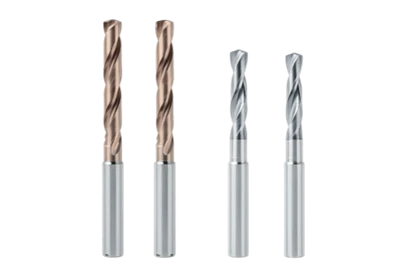
First things first, what the heck are flutes on a milling tool? Well, if you look at the cutting edge of a milling tool, you’ll notice these grooves or channels running along its length. Those are the flutes. They play a super important role in how the tool works, primarily by helping to clear away the chips created when the tool cuts into the material.
Now, let’s talk about the different numbers of flutes you’ll commonly see on milling tools. You can find tools with anywhere from 2 to 8 or even more flutes, but the most common ones are 2, 3, 4, and 6. Each number has its own unique pros and cons, and choosing the right one depends on a bunch of factors like the material you’re cutting, the type of cut you’re making, and the surface finish you’re after.
Let’s start with 2-flute milling tools. These are kind of the jack-of-all-trades. They’re great for roughing cuts, especially in soft materials like aluminum or plastics. The reason is that they have more space between the flutes, which means they can handle a larger volume of chips. This is crucial because if the chips can’t get out of the way fast enough, they can cause all sorts of problems like overheating, tool wear, and a poor surface finish. 2-flute tools are also pretty good for plunge cuts, where you’re going straight down into the material. They’re a bit more forgiving when it comes to chip evacuation in these situations.
On the flip side, 3-flute milling tools are a bit of a sweet spot. They offer a good balance between chip evacuation and cutting performance. They’re often used for semi-finishing and finishing cuts in a variety of materials, including steel, stainless steel, and cast iron. The extra flute gives them a little more cutting edge, which means they can take more aggressive cuts than a 2-flute tool. At the same time, they still have enough space between the flutes to keep the chips flowing out nicely.
Then there are 4-flute milling tools. These are super popular for finishing cuts because they provide a really smooth surface finish. The more flutes you have, the more times the tool is cutting into the material with each revolution, which helps to reduce the scallop height on the surface being machined. This results in a smoother, more precise finish. 4-flute tools are also great for high-speed machining because they can handle the higher feed rates and spindle speeds without sacrificing too much on chip evacuation. However, they’re not ideal for roughing cuts in soft materials because the chips can get stuck between the flutes more easily.
Finally, 6-flute milling tools are generally used for high-precision finishing work in hard materials. They have even more cutting edges than 4-flute tools, which means they can take very fine cuts and produce an extremely smooth surface finish. They’re often used in applications where tight tolerances and a high-quality finish are required, like in the aerospace and medical industries. But again, they’re not great for roughing because they have less space for chip evacuation.
So, how do you decide which number of flutes is right for your job? Well, it really depends on your specific needs. Here are some questions to ask yourself:
- What material are you cutting? Soft materials like aluminum or plastics usually work better with fewer flutes (2 or 3) to allow for better chip evacuation. Harder materials like steel or stainless steel can handle more flutes (4 or 6) for a better finish.
- What type of cut are you making? Roughing cuts need good chip evacuation, so 2 or 3-flute tools are a good choice. Finishing cuts require a smooth surface finish, so 4 or 6-flute tools are more appropriate.
- What’s your desired surface finish? If you need a really smooth finish, go for a tool with more flutes. If a slightly rougher finish is okay, a tool with fewer flutes might be sufficient.
- What are your machine’s capabilities? Some machines might not be able to handle the high feed rates and spindle speeds required for tools with more flutes. Make sure your machine can support the tool you choose.
As a milling tool supplier, I’ve seen firsthand how the right number of flutes can make a huge difference in the quality and efficiency of your machining operations. It’s not just about picking the latest and greatest tool; it’s about choosing the one that’s best suited to your specific job.
So, if you’re in the market for milling tools and need some advice on which number of flutes is right for you, don’t hesitate to reach out. Our team of experts is always here to help you make the most informed decision. Whether you’re a small shop looking to upgrade your tools or a large manufacturing plant with complex machining needs, we’ve got you covered.
We offer a wide range of milling tools with different numbers of flutes to meet all your cutting requirements. All our tools are made from high-quality materials and are designed to deliver outstanding performance and durability. So, if you want to improve your machining results and take your productivity to the next level, give us a call and let’s start a conversation.
In conclusion, understanding the number of flutes on a milling tool and how it matters can have a big impact on your machining operations. By choosing the right tool for the job, you can achieve better surface finishes, reduce tool wear, and increase your overall efficiency. So, don’t overlook this important factor when selecting your milling tools. And remember, if you need any help or have any questions, we’re just a message away.
Lathe Chuck References:
- Machinery’s Handbook, 31st Edition
- Tooling U-SME Machining Technology Training Materials
Shun Wei Precision Technology Co., Ltd.
With abundant experience, we are one of the most reliable milling tool manufacturers and suppliers in China. We warmly welcome you to buy durable milling tool at competitive price from our factory. If you have any enquiry about cooperation, please feel free to email us.
Address: Room901, Building2, Yijing Apartment, Northeast side of the intersection of Central Avenue and East Fifth Road, Tianjin Free Trade Zone (Airport Economic Zone)
E-mail: sale@sw-csd.com
WebSite: https://www.tjswprecisiontool.com/
