As a bearing bush supplier, I constantly encounter clients curious about the materials used in making bearing bushes. Understanding these materials is fundamental as it directly impacts the performance, durability, and suitability of the bearing bushes for different applications. In this blog, I will delve into the various materials commonly employed in the production of bearing bushes and their unique characteristics. Bearing Bush

Bronze
Bronze is one of the most widely used materials for manufacturing bearing bushes, and for good reason. It is an alloy primarily composed of copper, with tin being a significant additive. The addition of tin enhances the hardness, strength, and wear – resistance of the bronze.
One of the key advantages of bronze bearing bushes is their excellent corrosion resistance. This makes them suitable for applications in environments where they may come into contact with moisture or chemicals. For example, in marine applications, bronze bearing bushes can withstand the corrosive effects of saltwater.
Another important feature of bronze is its self – lubricating properties. When the bearing is in operation, a thin layer of lubrication is formed due to the interaction between the bronze and the lubricant. This reduces friction and wear, extending the lifespan of the bearing bush.
Bronze can be further classified into different types, such as phosphor bronze and aluminum bronze. Phosphor bronze contains a small amount of phosphorus, which improves its strength and corrosion resistance even more. Aluminum bronze, on the other hand, has a high strength – to – weight ratio and good resistance to high – temperature oxidation. It is often used in high – load and high – speed applications, such as in automotive engines.
Steel
Steel is another popular choice for bearing bushes, especially when high strength and load – carrying capacity are required. Carbon steel and alloy steel are commonly used variants.
Carbon steel bearing bushes are relatively inexpensive and have good machinability. They can handle moderate loads and are suitable for a wide range of industrial applications. However, carbon steel is prone to corrosion if not properly protected. This is why coatings or surface treatments are often applied to carbon steel bearing bushes to enhance their corrosion resistance.
Alloy steel, on the contrary, offers improved mechanical properties compared to carbon steel. Alloying elements such as chromium, nickel, and molybdenum are added to improve strength, hardness, and toughness. Alloy steel bearing bushes can withstand higher loads and operating temperatures, making them ideal for heavy – duty applications like in mining equipment and construction machinery.
In addition, steel bearing bushes can be heat – treated to achieve specific hardness and strength characteristics. Heat treatment processes such as quenching and tempering can significantly enhance the performance of the bearing bushes, allowing them to operate under more demanding conditions.
Polymer Materials
In recent years, polymer materials have gained increasing popularity in the manufacturing of bearing bushes. Polytetrafluoroethylene (PTFE) and polyetheretherketone (PEEK) are two commonly used polymers in this field.
PTFE is known for its extremely low coefficient of friction, which means it can reduce energy consumption and wear in the bearing system. It also has excellent chemical resistance, making it suitable for applications where the bearing may be exposed to various chemicals. Moreover, PTFE is self – lubricating, eliminating the need for external lubrication in some cases. This makes it an attractive option for applications where maintenance is difficult or where a clean working environment is required, such as in food processing or medical equipment.
PEEK, on the other hand, is a high – performance engineering plastic. It has high strength, excellent wear resistance, and good thermal stability. PEEK can operate at high temperatures without significant degradation in performance. It is often used in aerospace and automotive applications where high – performance and lightweight components are needed.
Babbitt Metal
Babbitt metal is a soft alloy that is typically used as a lining material for bearing bushes. It is composed of tin, antimony, and copper. The main function of Babbitt metal is to provide a low – friction surface and act as a sacrificial layer.
The softness of Babbitt metal allows it to conform to the shape of the journal, ensuring good contact and even distribution of load. This helps to reduce wear and friction on the more expensive and harder components of the bearing system. In addition, Babbitt metal has good embedability, which means it can trap small abrasive particles and prevent them from causing damage to the bearing surfaces.
Babbitt metal – lined bearing bushes are commonly used in applications such as steam turbines, internal combustion engines, and large industrial machinery, where smooth and reliable operation is crucial.
Composite Materials
Composite materials are also being increasingly used in the production of bearing bushes. These materials combine the advantages of different materials to achieve better overall performance.
For example, a composite bearing bush may consist of a metal matrix filled with ceramic particles or fibers. The metal matrix provides the necessary strength and load – carrying capacity, while the ceramic particles or fibers enhance the wear resistance and hardness of the material. Another type of composite is a polymer – based composite, where fibers such as carbon or glass are embedded in a polymer matrix. This can improve the mechanical properties of the polymer, making it more suitable for high – performance applications.
Composite bearing bushes offer a wide range of customization options, allowing us to tailor the material properties to meet the specific requirements of different applications.
Considerations for Material Selection
When choosing the material for bearing bushes, several factors need to be considered.
First is the load – carrying capacity. Different applications have different load requirements. For heavy – load applications, materials like steel or high – strength bronze alloys are more appropriate. For light – load applications, polymer materials or Babbitt – lined bearings may be sufficient.
The operating temperature is also an important factor. Some materials, such as PEEK and aluminum bronze, can withstand high temperatures without significant loss of performance. In contrast, materials like Babbitt metal have relatively low melting points and are not suitable for high – temperature applications.
Corrosion resistance is another crucial consideration, especially for applications in harsh environments. Materials such as bronze and PTFE have good corrosion resistance and are suitable for use in wet or chemically aggressive environments.
Finally, cost is always a factor in material selection. While high – performance materials like alloy steel and PEEK may offer better properties, they are also more expensive. We need to balance the performance requirements with the cost – effectiveness to ensure that the bearing bushes meet the client’s needs within their budget.
In conclusion, the choice of material for bearing bushes is a complex decision that depends on multiple factors. As a bearing bush supplier, I am committed to providing our clients with in – depth knowledge and guidance on material selection. We have a wide range of bearing bushes made from different materials to meet the diverse needs of our customers. Whether you need a bearing bush for a simple industrial application or a high – performance aerospace component, we can offer you the right solution.
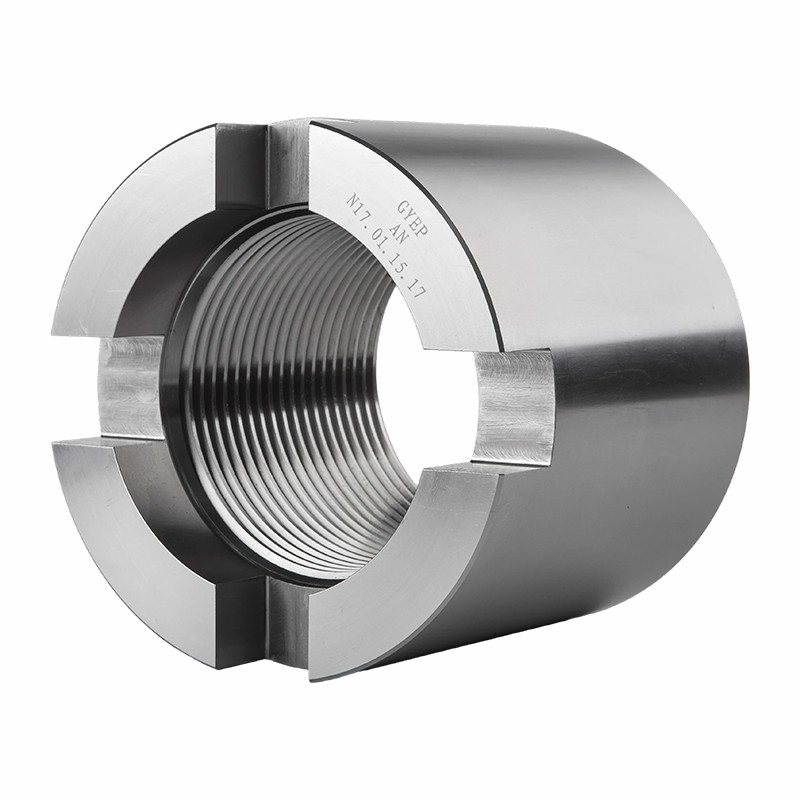
If you are interested in purchasing bearing bushes or have any questions regarding material selection, please feel free to contact us for a detailed discussion. Our team of experts is always ready to assist you in finding the most suitable bearing bushes for your specific application.
Turbine Diaphragm References
- "Handbook of Tribology: Materials, Coatings, and Surface Treatments" by Bharat Bhushan
- "Engineering Materials and Their Applications" by Donald R. Askeland and Pradeep P. Phule
- "Polymer Composites for Aerospace Applications" edited by Suresh C. Ameta, Ajay K. Thakur, and Mahesh C. Sutradhar
Hebei Guoyuan Electric Co., Ltd.
With abundant experience, we are one of the most professional bearing bush manufacturers in China. We warmly welcome you to buy discount bearing bush for sale here and get pricelist from our factory. Quality products and low price are available.
Address: No. 18 Tianshan Science and Technology Industrial Park, No. 319 Xiangjiang Road, Shijiazhuang High-tech Zone, Hebei Province, China
E-mail: turbine@goineep.com
WebSite: https://www.goineep.com/
