Hey there, if you’re running a daycare, a community rec center, or a park that’s home to the neighborhood playground—you know the drill. After a rainstorm, a weekend of kids chasing ice cream trucks, or even just a week of sticky handprints and scuffed sneakers, those metal slides, plastic swing seats, and rubber mulch edges look less like a fun spot and more like a germ magnet. A few years back, I was chatting with a rec director who told me she spent 8 hours every Saturday scrubbing that playground by hand, only to still miss grime in the tight spots under the monkey bars. That’s when I realized—most people don’t actually know how to use a high pressure washer gun for cleaning playground equipment without accidentally damaging the stuff they’re trying to fix. I’m part of a high pressure washer gun supply crew, so I’ve spent tons of time testing these things on all kinds of playground gear, and today I’m spilling the real, no-BS steps that actually work. No fancy jargon, no crazy hacks that’ll get you a call from the park maintenance team—just what we use every time we show up to help local facilities. High Pressure Washer Gun
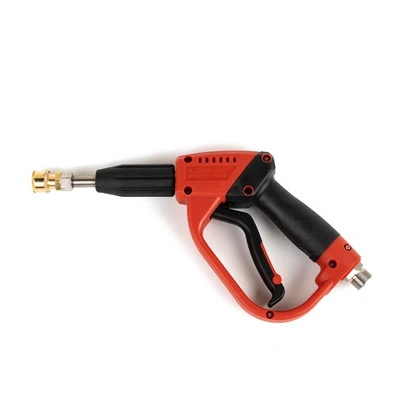
First off, let’s get one thing straight: playground equipment isn’t a concrete slab or a patio. Metal can rust, plastic can warp, and rubber can get pocked if you blast it with too much pressure or the wrong nozzle. I see this all the time—guys grab a pressure washer, crank it to max PSI, and run it along a metal slide, only to leave scratch marks that will turn into rust spots within a month. That’s not just bad for the equipment; it’s a safety hazard for the kids playing on it. So step one before you even hook the gun up: check what kind of materials you’re working with, and adjust your settings accordingly. Most playgrounds mix metal (swing sets, monkey bars, slides), hard plastic (play panels, climber handles), and soft rubber (mulch, safety flooring). For metal stuff, you’ll want a PSI range of 1500 to 2000—any higher than that, and you’re asking for dents or scratches. Plastic is a bit more delicate, so stick to 1200 to 1500 PSI, and rubber? Keep it under 1000, because too much pressure can tear up the safety flooring that’s there to keep kids from getting hurt if they fall.
Next, nozzles matter. I know, I know—most pressure washer guns come with a bunch of color-coded ones, and people just grab the red (0-degree) nozzle because it “gets the job done fast.” Bad idea for playgrounds. The red nozzle is for concrete driveways or removing heavy grease, not for playing on gear with little hands. For playgrounds, I swear by two nozzles: the white (25-degree) and the green (40-degree). The white nozzle is your go-to for metal and hard plastic—it hits enough pressure to blast away crusted-on dirt, bug guts, and that sticky ice cream residue, but it’s wide enough that it won’t carve into the metal or scratch the plastic. The green nozzle is perfect for soft rubber and any areas that are a little more finicky—like the edges of the swing seats or the gaps under the play panels. I also keep a narrow fan nozzle (sometimes called a steam nozzle, but not the actual steam kind) for tight spots, like the crevices in monkey bars or the holes in play panels where dirt gets stuck. Just skip the red and yellow (15-degree) nozzles entirely for playground work—they’re way too intense.
Now, prep work. You wouldn’t paint a wall without taping off outlets, right? Same logic here. Before you even touch the pressure washer to the playground, do a quick walkthrough to cover any electrical stuff—like the lights on the playset or the outdoor speakers—with a plastic tarp. Also, move any loose items: chalk buckets, toy shovels, even the random soda cans that got left behind. Pro tip: if there are any rusty spots on the metal swing set, spray a little rust dissolver on them first, let it sit for 10 minutes, then go over them with the pressure washer. Don’t blast rust dissolver on plastic or rubber, though—it can stain, so cover those areas with a towel while you treat the metal. Oh, and make sure the kids are nowhere near—pressure washers are powerful enough to knock over small kids, even at low PSI, and the water can get in their eyes. Better safe than sorry.
Here’s the part most people get wrong: how to actually hold the gun. A lot of folks stand too close, like they’re pointing a water hose at a stain on their shirt. That’s a no-no. You should stand at least 12 to 18 inches away from the surface, and hold the gun at a 45-degree angle, not straight on. If you hold it straight, the pressure will dig into the surface and cause damage. If you angle it, the water will slide off, blasting the grime without wearing down the material. Also, keep the gun moving—don’t linger in one spot. I see this all the time, guys get focused on a really dirty spot, so they hold the gun there for 10 seconds, and boom—they’ve got a dent in the metal or a cloudy mark on the plastic. Move the gun in slow, sweeping motions, like you’re mowing the lawn, and if a spot is really crusty, go over it twice, not once for 5 seconds.
What about chemicals? Should you use a pressure washer detergent? Yeah, but only the right kind. Don’t grab the heavy-duty concrete cleaner you use on your driveway— that stuff has harsh chemicals that can fade plastic and damage metal over time. We use a mild, playground-safe detergent, usually mixed at a 1:10 ratio with water (follow the bottle’s instructions, but don’t crank the detergent setting too high). Apply the detergent first, let it sit for 5 to 10 minutes—don’t let it dry on the surface, though, that’ll leave streaks. Then, when you go over it with the pressure washer, you’ll notice the grime comes off way easier than just using plain water. For really sticky areas, like lollipop residue or sidewalk chalk on the plastic play panels, a little baking soda mixed into the detergent works great— it’s gentle enough for the kids who’ll be crawling on it, and it cuts through the stickiness fast. Just skip bleach entirely. Bleach is bad for the environment, it kills the grass around the playground, and it can break down plastic and rubber over time. We’ve had customers tell us they used bleach before and their swing seats got brittle within a year—don’t do that.
Now, the tricky parts: monkey bars, slide chutes, and the gaps under play structures. Monkey bars have tons of tiny crevices where dirt and leaves get stuck. For these, I use the narrow fan nozzle I mentioned earlier, and I actually get a little closer (about 8 inches) but still at that 45-degree angle, moving the gun up and down each bar. Don’t blast straight into the ends of the bars, though—you might push dirt further into the joint, making it harder to get out. For slide chutes, start at the top and work your way down. If you go from the bottom up, you’ll just push all the dirty water up onto the part you already cleaned. Also, pay attention to the bottom of the slide, where kids’ shoes scuff it— that’s where most of the grime hides, so take an extra 30 seconds to go over that area. For under the play structures, where dirt and mulch get tracked up, use the green nozzle, stand a little further back (18 inches), and work your way along the edges—don’t blast directly into the mulch, because you’ll end up making a mess and scattering mulch everywhere.
After you’re done cleaning, what do you do? Don’t just turn off the pressure washer and walk away. First, go over the whole playground once more with plain water to rinse off any leftover detergent. For metal areas, if you notice any small rust spots you missed, dry them off with a towel and spray a little clear metal sealant—this’ll stop the rust from coming back. For rubber safety flooring, if there are any spots that got a little waterlogged, wipe them down with a towel so they dry fast—standing water can break down the rubber over time. And finally, do a quick check of all the equipment: make sure no bolts got loose from the pressure (it happens more than you think), and that there’s no standing water anywhere that would make the kids slip. Run a test on the slide—slide down it once to make sure all the dirt is off, and you’re good to go.
I know, I know—this sounds like a lot of steps. But the alternative is scrubbing for hours by hand, damaging expensive playground equipment, or having parents complain about their kids getting sick from the grime. We supply pressure washer guns to daycares, parks, and rec centers all over, and the number one feedback we get is that using the right settings and techniques cuts their playground cleaning time in half. Last month, a rec center in Austin told us they used to take 6 hours to clean their playground; now they do it in 2. They used to damage one slide a year from bad pressure washer use; now they haven’t had to replace any gear because of pressure washer damage in two years. That’s the payoff.
Wait, before I wrap this up—let’s hit a few common mistakes I see people make all the time, because these are game-changers. First, never use a pressure washer on painted playground equipment if you don’t know the paint type. Some older playgrounds have lead-based paint (don’t panic, most are post-1978, but if it’s a really old set, check first). If you’re not sure, test a small, hidden spot with low pressure—if the paint chips, that’s a sign you need to use a softer brush and detergent instead of the pressure washer. Second, don’t use hot water unless you absolutely have to. Most playground grime comes off with cold water and the right detergent; hot water is unnecessary and uses way more energy. Third, always wear safety gear: goggles, closed-toe shoes, and even gloves if you’re sensitive to the cold or the detergent. Pressure washers kick up a ton of water and grime, so you don’t want that in your eyes.
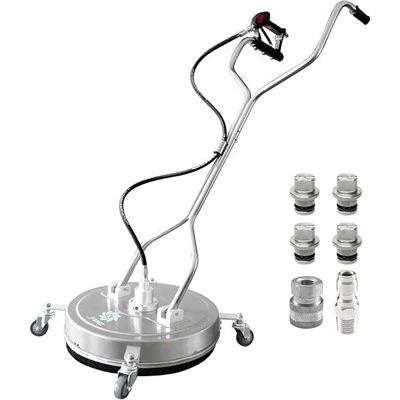
If you’re running a facility and you’re tired of wasting time and money on bad playground cleaning, or if you’re upgrading your equipment and need a pressure washer gun that’s built for this specific job (not just for driveways or decks), we’ve got you covered. Our team has tested every nozzle, every PSI setting, and every detergent mix on all kinds of playground gear, so we can help you pick exactly what you need—no guesswork, no upsells. Just reach out to our team to chat through your needs, whether you’re a small daycare with a single playset or a big park district with 10 playgrounds. We’re here to help make this easier for you.
High Pressure Nozzle References:
- U.S. Consumer Product Safety Commission. Playground Equipment Maintenance Guidelines. U.S. CPSC, 2022.
- Pressure Washing Industry Association. Best Practices for Outdoor Surface Cleaning. PWIA, 2023.
- National Recreation and Park Association. Facility Cleaning Protocols for Public Playgrounds. NRPA, 2021.
- American Cleaning Institute. Safe Detergent Use for Outdoor Play Surfaces. ACI, 2022.
- Occupational Safety and Health Administration. Personal Protective Equipment for Power Tool Operation. OSHA, 2020.
Zhejiang GTM Hi-Tech Intelligent Equipment Co., Ltd.
As one of the most professional high pressure washer gun manufacturers and suppliers in China, we also support customized service. With abundant experience, we warmly welcome you to buy discount high pressure washer gun for sale here from our factory. For price consultation, contact us.
Address: No.5 of Changjiang Road, 2nd Economic Development Zone of Wenling, Zhejiang, China
E-mail: yehuanting1@hongyemfg.com
WebSite: https://www.gtm-plungerpump.com/
