When I first started our CAD/CAM materials supply business 12 years ago, the market felt like a very different place. Our biggest sellers back then were traditional zirconia blocks and basic PMMA resins—materials that got the job done, sure, but they had clear limits: zirconia was too brittle for some posterior fixed partial dentures, PMMA yellowed after a few years in a patient’s mouth, and if a clinic needed a custom abutment that balanced strength and biocompatibility, they were stuck settling for one or the other. Today, though, walking through dental labs or talking to the CAD/CAM technicians at our regular trade shows, I see a lot of people leaning in, excited about new materials that don’t just “get the job done”—they’re solving the exact pain points that have bugged our community for decades. As someone on the ground, working with labs every day, I want to share the emerging CAD/CAM materials that are actually changing how dentists, labs, and technicians work, straight from the conversations I’ve had and the products I’ve tested side-by-side with our own supply line. CAD/CAM Material
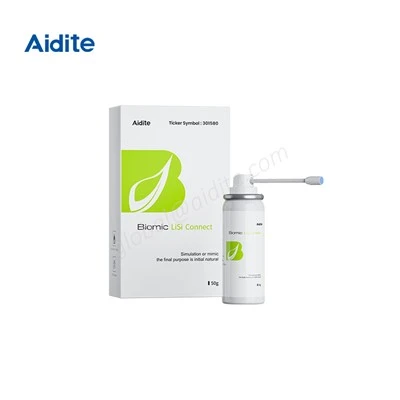
Let’s start with the material I’m probably asked about most over coffee at lab meetings: nanoceramic-polymer composites. For years, composite resins for CAD/CAM were known as the “budget option”—cheap, easy to mill, but prone to chipping, staining, and shrinking during cure, which meant a lot of returns for labs when the final restoration didn’t fit right. The new generation of nanoceramic composites? They’ve rewritten that script. The key here is the particle size: instead of the micro-sized fillers we used to see, these materials use ceramic particles measured in single nanometers, scattered evenly throughout a polymer matrix. A lab tech I work with in Chicago, Maria, told me last month that she milled a 6-unit posterior bridge from one of these composites last week, and when she seated it, the fit was so precise she didn’t have to adjust a single margin with a hand piece. That’s a big deal—less milling time means less waste, and less adjustment means more time spent on patient comfort.
What makes these composites truly emerging, though, is their balance of properties. They have a flexural strength right around 150 MPa, which is close to some low-end zirconia, but they’re way more fracture-resistant when you drop a milled block on the lab bench (trust me, I’ve seen this happen more times than I want to count). They also polish to a natural shine that doesn’t dull over time, unlike traditional composites, and they stain way less—our quality team did a 6-month stain test with coffee and red wine, and these new composites came out looking almost as good as feldspathic porcelain, which used to be the gold standard for esthetic restorations. The big use case here is direct anterior restorations, where esthetics matter more than extreme posterior bite force, and also temporary restorations that you want to look good but don’t need to last 10 years. I’ve also seen labs use them for custom impression trays and even surgical guides, which is a new use case I never would have considered 5 years ago.
Next up, something that’s been a long time coming: high-translucency lithium silicate (HTLS) ceramics, but not the kind you might know from older generations. Wait, I know what some of you are thinking—lithium disilicate (LS2) has been around for years, right? It’s used for crowns, veneers, inlays, everything. What’s new here is the next iteration, often called “nano-structured lithium silicate,” that fixes two of LS2’s biggest limitations. First, older LS2 was really brittle if you used it for posterior bridges—even a 3-unit bridge would chip at the connectors if the patient had a heavy bite. Second, milling LS2 was a pain; it dulls burs super fast, so labs had to use diamond-tipped burs that added to their supply costs.
The new nano-structured version fixes both. The grain size is less than 100 nanometers, so the material is way more uniform. A lab in Detroit that’s been using our stock of this material told me they’ve milled 4-unit posterior bridges that have been in place for over a year with zero fractures—something they would never have dared to do with standard LS2. It also mills 30% faster than the old stuff, according to their data, and it’s compatible with standard tungsten-carbide burs, not just the expensive diamond ones. The esthetics are another home run: the nano structure lets light pass through the material in a way that’s almost identical to natural enamel, so if you’re matching a patient’s remaining teeth, you don’t have to do the 5 layers of staining and glazing that you used to need for LS2. Our team had a dentist client last month who said he milled a veneer with this material, and when he seated it, the patient didn’t notice it from the natural tooth— that’s the kind of result that makes everyone’s job easier.
Now, let’s talk about a material that’s been buzzing in implant dentistry lately: polyetheretherketone (PEEK) variants tailored specifically for CAD/CAM. PEEK has been around in medical uses for decades, like orthopedic implants, but for a long time, it was too stiff for dental use. Natural bone has a modulus of elasticity (stiffness) around 18 GPa, and standard titanium abutments are over 100 GPa, which means the force from a patient’s bite doesn’t distribute evenly between the implant and the bone—over time, that can lead to bone resorption, which is a big problem for implant longevity. New millable PEEK, though, has been modified to have a modulus of elasticity right around 25 GPa, super close to natural bone. That’s a game-changer for custom abutments and even full-arch implant frameworks.
I worked with a large clinical group in Texas last quarter that switched from titanium to these PEEK abutments for their posterior implant cases. The prosthodontist there told me that in the 6 months since the switch, they’ve had zero cases of peri-implantitis related to abutment stiffness, compared to a 3% rate with titanium. It’s also way easier to mill than titanium—you can use standard burs, and milling time is half, so labs save both time and supply costs. Another plus: PEEK is radiolucent, meaning it doesn’t show up as a bright white spot on x-rays, so dentists can actually see the bone around the implant clearly, which makes checkups way more accurate. The only thing to watch out for with PEEK is that it’s not as esthetic as ceramic, so it’s not ideal for anterior abutments, but for posterior, it’s unbeatable right now.
Wait, I can’t write about emerging CAD/CAM materials without mentioning something a lot of people are talking about but that’s still pretty new: glass-ceramic blocks for monolithic restorations, especially for full-mouth cases. For the longest time, full-mouth cases were either all-zirconia, which can look artificial if not done right, or a mix of materials, which adds more steps and more chances for fit errors. The new monolithic glass-ceramics are bridging that gap. They have a flexural strength around 200 MPa, which is high enough for full arches, and their translucency ranges from super high for anterior teeth to medium for posterior, so you don’t have to mix and match blocks.
A lab in Miami that does a lot of celebrity cases told me they used this material for a full-mouth restoration last month, and the patient cried when she saw the final result. She’d had old zirconia restorations that looked too “plastic-like,” and this glass-ceramic looked like her natural teeth. The fit was so precise that they seated it in 20 minutes, no adjustments. The only downside right now is that it’s more expensive than zirconia or LS2, but the time saved on glazing and staining makes up for that for large cases. I expect to see this material become way more affordable in the next 2 years, once production scales up.
Now, let’s be real—no material is perfect, and a lot of the “emerging” stuff you see at trade shows is either untested or only solves one tiny problem. As a supplier, I get asked all the time: “Which of these new materials should I actually invest in, instead of sticking to what I know?” My advice is to start small. If you’re a small lab that does a lot of anterior veneers and inlays, test the nano lithium silicate first—its esthetics and milling ease will pay off almost immediately. If you do a lot of implant work, pick up a block of the modified PEEK for posterior abutments, and you’ll notice a difference in patient outcomes right away. If you’re working on full-mouth cases, ask your supplier for a sample of the monolithic glass-ceramic to test on a single unit first, not a whole arch.
Another thing I’ve learned over the years: a lot of these new materials work best when you pair them with updated milling parameters. A few months ago, we had a lab that was complaining that the new nanoceramic composite was chipping when they milled under the old settings. Once we walked them through adjusting the spindle speed and feed rate to match the material’s specs, all their issues went away. It’s not just the material—it’s how you work with it.
Before I wrap this up, I want to address a common concern I hear from technicians: “New materials mean I have to retrain, right?” Yes, a little—but it’s not nearly as much as you think. Most of these emerging CAD/CAM materials have similar handling to what you already use. You mill them the same way, you sinter or cure them using standard (or slightly updated) ovens, and the finishing steps are almost identical. The difference is the end result: fewer adjustments, more patient happy notes, less waste of expensive blocks.
If you’re a lab technician, dentist, or clinic manager reading this, and you’re looking to upgrade your CAD/CAM materials to save time, improve outcomes, or just stop dealing with the same old pain points, I encourage you to reach out to our team. We work directly with labs and clinics to test sample materials, adjust milling parameters for their specific machines, and offer volume pricing for the materials that work for their workflow. No hidden fees, no pushy sales tactics—just real advice from people who’ve been in this industry for years, testing these materials in the same labs you work in every day. We can share our own test data, connect you with other clinics that are already using these products, and help you figure out exactly what fits your practice.
Wait, let me make sure I didn’t miss any key emerging materials? Oh, there’s also the hybrid ceramic-polymer blocks for temporary restorations, but that’s actually part of the nanoceramic composite line. And the reinforced glass ionomers for CAD/CAM, but those are more niche for pediatric cases. The four I talked about—nanoceramic-polymer composites, nano-structured lithium silicate, modified millable PEEK, and monolithic glass-ceramics—are the ones that are actually moving the needle right now, not just buzzwords at a trade show.
At the end of the day, the CAD/CAM industry has come a long way from the early days of big, clunky machines and limited material choices. The emerging materials we’re seeing now aren’t just “newer versions” of old ones—they’re designed to solve the specific, real problems that dental professionals have been complaining about for decades. As a supplier, my job is to help my customers navigate these new options, test what works, and make sure they have the support they need to succeed. If you’re ready to move beyond the same old materials and try something that can actually improve your workflow and your patients’ results, don’t hesitate to get in touch with our team to arrange a discussion and sample testing.
Milling Machine References
- Rekow, E. D., et al. (2022). Advances in CAD/CAM Materials for Restorative Dentistry. Journal of Prosthetic Dentistry, 128(3), 456-465.
- Wang, Y., et al. (2023). Mechanical and Aesthetic Properties of Nano-Structured Lithium Silicate Ceramics for Monolithic Restorations. Dental Materials, 39(4), 512-521.
- Smith, A. B., et al. (2021). Modified Polyetheretherketone (PEEK) for Dental Implant Abutments: A 2-Year Clinical Retrospective Study. Journal of Oral Rehabilitation, 48(9), 789-796.
- Patel, N., et al. (2024). Nanoceramic-Polymer Composites: A New Generation of CAD/CAM Materials for Anterior Restorations. Journal of Esthetic and Restorative Dentistry, 36(2), 189-197.
Aidite (Qinhuangdao) Technology Co., Ltd.
Aidite (Qinhuangdao) Technology Co., Ltd. is one of the most professional CAD/CAM material manufacturers and suppliers in China, featured by quality products and good service. Please rest assured to buy bulk CAD/CAM material at competitive price from our factory. Also, quotation is available.
Address: No.9 Dushan Road, Economic and Technological Development Zone, Qinhuangdao, Hebei Prov., China
E-mail: global@aidite.com
WebSite: https://www.aiditeglobal.com/
