Hey there! As a thread milling cutter supplier, I’ve gotten tons of questions from customers about how our cutters manage to achieve efficient chip evacuation. It’s a vital part of the cutting process, and I’m stoked to break it down for you. Thread Milling Cutter
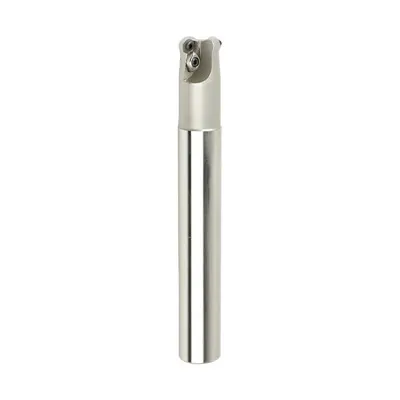
First off, let’s talk about why chip evacuation is such a big deal. When you’re using a thread milling cutter, chips are constantly being produced as it cuts through the material. If these chips don’t get out of the way quickly, they can cause a whole bunch of problems. They can jam up the cutter, leading to poor surface finishes on the threads. They can also increase the cutting temperature, which shortens the lifespan of the cutter. In the worst – case scenario, a build – up of chips can even cause the cutter to break. So, efficient chip evacuation is not just a nice – to – have; it’s essential for the success of the threading operation.
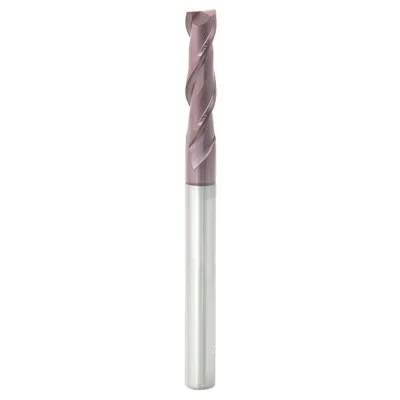
One of the key features of our thread milling cutters that helps with chip evacuation is the flute design. The flutes are the channels on the cutter that allow the chips to move up and out of the cutting area. We’ve spent a lot of time researching and developing the perfect flute geometry. Our cutters have wide, deep flutes that provide plenty of space for the chips to flow. The shape of the flutes is also carefully engineered. They have a smooth, curved profile that reduces friction as the chips move through. This means that the chips can slide out easily, without getting stuck.
Another important aspect is the helix angle of the flutes. The helix angle determines the direction and speed at which the chips are removed. Our thread milling cutters have an optimal helix angle. A higher helix angle can help to quickly lift the chips out of the cutting zone, especially when dealing with softer materials. For harder materials, we adjust the helix angle to balance the cutting forces and the chip evacuation. This way, we can ensure that the chips are removed efficiently, regardless of the material being cut.
The material of the cutter also plays a role in chip evacuation. We use high – quality carbide materials for our thread milling cutters. Carbide is not only extremely hard and wear – resistant but also has good heat conductivity. This means that the heat generated during cutting can be dissipated quickly, reducing the chances of the chips melting and sticking to the cutter. When the chips don’t stick, they can be evacuated more easily.
We also pay attention to the coating on the cutter. Our cutters are coated with advanced materials like titanium nitride (TiN) or titanium aluminum nitride (TiAlN). These coatings not only increase the hardness and wear resistance of the cutter but also have a low coefficient of friction. This low – friction surface helps the chips to slide off the cutter more smoothly. It’s like giving the chips a slippery slope to slide down, making it easier for them to be removed from the cutting area.
In addition to the design and material features of the cutter itself, the cutting parameters also have a significant impact on chip evacuation. The cutting speed, feed rate, and depth of cut all need to be carefully selected. If the cutting speed is too high, the chips may be generated too quickly and not have enough time to be evacuated properly. On the other hand, if the feed rate is too low, the chips may be too thin and more likely to clog the flutes. We work closely with our customers to help them determine the best cutting parameters for their specific applications.
Let me give you an example of how all these factors come together. One of our customers was working with a tough stainless – steel material. They were having a hard time with chip evacuation, and the surface finish of the threads was poor. We recommended our thread milling cutter with a specific flute design, helix angle, and coating. We also helped them adjust the cutting parameters. After making these changes, they saw a significant improvement. The chips were being evacuated smoothly, the surface finish of the threads was much better, and the cutter lasted longer.
Now, I know that every machining job is unique, and you might have some specific requirements. That’s why we’re always here to help. Whether you’re working with a soft aluminum alloy or a super – hard nickel – based alloy, we can provide you with the right thread milling cutter and the best advice on how to use it for efficient chip evacuation.
If you’re in the market for high – quality thread milling cutters that can achieve efficient chip evacuation, don’t hesitate to reach out. We’d love to have a chat about your needs and see how we can help you improve your threading operations. Whether it’s a small – scale job or a large – scale production, we’ve got the products and the expertise to make it a success.
Thread Milling Cutter References
- "Machining Handbook" – A comprehensive guide on machining processes and tooling
- "Cutting Tool Engineering" – Journal with in – depth articles on cutting tool technology and applications
Small Craftsman (Shandong) Machine & Tools Co., Ltd.
Small Craftsman (Shandong) Machine & Tools Co., Ltd. is one of the most experienced thread milling cutter manufacturers and suppliers in China, also supports customized service with low price. Please feel free to buy bulk high quality thread milling cutter in stock here from our factory. Contact us for pricelist.
Address: No.9 Quanxin Rd., Sishui Economic Developing Zone, Jining, Shandong, China.
E-mail: 6196@ocutchina.com
WebSite: https://www.ocutooling.com/
