Laminating paper labels is a crucial process in enhancing their durability, appearance, and functionality. As a seasoned paper labels supplier, I’ve witnessed firsthand the transformative impact of lamination on these essential branding and identification tools. In this blog post, I’ll delve into the intricate process of laminating paper labels, from material selection to the final quality check. Paper Labels

Material Selection
The journey of laminating paper labels begins with careful material selection. At our supply facility, we understand that the quality of the base paper and the lamination film plays a pivotal role in the final product’s performance.
For the base paper, we offer a wide range of options, each tailored to specific applications. Coated papers are popular for their smooth surface, which provides excellent printability and a sharp image. Uncoated papers, on the other hand, offer a more natural and rustic look, making them ideal for artisanal or eco – friendly products. The weight of the paper also matters; heavier papers are more durable and suitable for labels that require a sturdier feel, while lighter papers are more flexible and cost – effective for short – term applications.
When it comes to the lamination film, we have several choices. Polyester (PET) films are known for their high strength, chemical resistance, and clarity. They are often used for labels that need to withstand harsh environments, such as outdoor products or industrial equipment labels. Polypropylene (PP) films are more economical and offer good moisture resistance, making them a common choice for consumer goods labels. Vinyl films are flexible and have excellent adhesion, suitable for contour – shaped products.
Pre – Printing Preparation
Before the lamination process can begin, the paper labels need to be printed. But this is not just a simple printing job. We ensure that the printing plates or digital files are of the highest quality. The color accuracy is carefully calibrated to match the client’s brand colors. We use advanced printing technologies such as flexography, digital printing, or offset printing, depending on the volume, complexity, and quality requirements of the labels.
Once the printing is complete, the printed labels are inspected for any defects such as smudging, color variations, or misalignment. The pre – printed labels are then carefully stacked or rolled, ready for the next step in the lamination process. It’s important to handle the printed labels gently to avoid any scratches or damage that could affect the lamination.
Applying the Adhesive
An essential step in the lamination process is applying the adhesive to either the paper label or the lamination film. The type of adhesive used depends on the materials being bonded and the end – use requirements of the labels.
For permanent adhesion, we often use solvent – based adhesives. These adhesives offer strong bonding power and are suitable for labels that need to stick firmly to surfaces for a long time, like product labels on glass or plastic containers. Water – based adhesives are a more environmentally friendly option. They are less toxic and have lower volatile organic compound (VOC) emissions. They are commonly used for labels on food products or other items where safety is a concern.
The adhesive is applied evenly using a coating machine. The thickness of the adhesive layer is carefully controlled to ensure proper bonding without creating excessive bulk. After the adhesive is applied, the labels are usually dried in an oven or a drying tunnel to remove any solvents or moisture, leaving behind a tacky surface ready for lamination.
Lamination Process
The actual lamination of the paper labels and the film is a precise operation. The printed paper labels and the lamination film are fed into a laminating machine. There are two main types of laminating machines: thermal laminators and pressure – sensitive laminators.
Thermal laminators use heat to activate the adhesive on the lamination film. The labels and the film pass through a heated roller system. The heat softens the adhesive, allowing it to bond firmly to the paper label. This method is suitable for a wide range of materials and provides a strong, long – lasting bond.
Pressure – sensitive laminators, on the other hand, rely on pressure to bond the film to the label. The labels and the film are pressed together between two rollers, and the pressure activates the pressure – sensitive adhesive. This method is often used for thinner films and labels that require a more flexible lamination.
During the lamination process, the speed of the machine, the temperature (in the case of thermal laminators), and the pressure are carefully monitored and adjusted. Any deviation from the optimal settings can result in problems such as air bubbles, delamination, or uneven adhesion.
Post – Lamination Processing
After the lamination is complete, the labels go through a series of post – lamination processes. First, the laminated labels are trimmed to the desired size and shape. This can be done using die – cutting machines, which use sharp blades to cut through the laminated material with high precision. Die – cutting allows us to create labels in various shapes, from simple rectangles to complex custom designs.
Next, the labels may undergo additional finishing processes. For example, we can add a UV coating to enhance the label’s resistance to sunlight and scratches. We can also perforate the labels if they need to be easily torn off, such as on coupon labels or tear – away instructions.
Quality Control
Quality control is an integral part of the entire laminating process. We have a rigorous quality control system in place to ensure that every label meets our high standards.
Visual inspections are carried out at multiple stages of the process. Trained inspectors check for any visible defects such as air bubbles, wrinkles, scratches, or color inconsistencies. We also use measuring tools to ensure that the labels are of the correct size and thickness.
In addition to visual inspections, we conduct functional tests. For example, we test the adhesion strength of the labels to different surfaces to ensure that they will not fall off during normal use. We also test the labels’ resistance to environmental factors such as moisture, heat, and chemicals.
Packaging and Delivery
Once the labels have passed all the quality control checks, they are carefully packaged. We use appropriate packaging materials to protect the labels during transportation. For small – quantity orders, the labels may be packed in plastic bags or boxes. For large – volume orders, they are often wrapped in protective films and placed on pallets for easy handling and shipping.
We offer different delivery options to meet our clients’ needs. Whether it’s a local delivery or an international shipment, we ensure that the labels reach our clients in a timely and undamaged condition.
Conclusion
Laminating paper labels is a multi – step process that requires careful attention to detail at every stage. From selecting the right materials to conducting thorough quality control, each step contributes to the creation of high – quality, durable, and visually appealing labels.
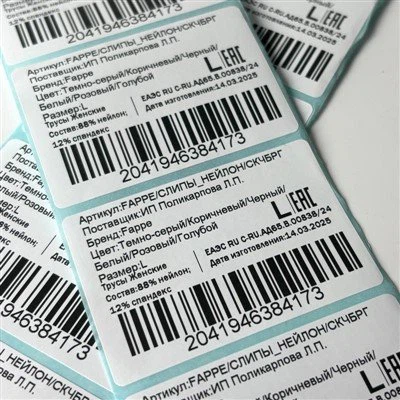
As a paper labels supplier, we are committed to providing our clients with the best possible products and services. Our expertise in the laminating process allows us to offer customized solutions to meet the diverse needs of different industries.
Packaging Labels If you’re in the market for high – quality laminated paper labels, I encourage you to reach out to us for a procurement discussion. We can work together to determine the best materials, printing options, and lamination processes for your specific requirements.
References
- "Labeling and Identification Technologies" by John A. Dobler
- "The Printing Press: A Historical Guide" by Elizabeth Eisenstein
- Industry standards and guidelines from the Label Manufacturers Institute
Huizhou Yufeng New Materials Co., Ltd.
Huizhou Yufeng New Materials Co., Ltd. is one of the most experienced paper labels manufacturers and suppliers in China, featured by quality products and good price. Please feel free to wholesale durable paper labels for sale here and get pricelist from our factory. We also accept customized orders.
Address: 9th Floor, Building A9, Zhongchuang Yingke New Generation Industrial Park, Tonghu Town, Huicheng District, Huizhou City
E-mail: liangjun@kaiyudianzi.com
WebSite: https://www.yufengstickers.com/
