As a vendor of auxiliary systems, I’ve been deeply immersed in this industry for quite some time. Over the years, I’ve witnessed firsthand the significance of auxiliary systems across a wide range of industries, from manufacturing and energy to healthcare and beyond. One question that frequently arises from our clients is about the maintenance costs of auxiliary systems. Today, I’d like to delve into this topic and provide a comprehensive overview of the factors influencing these costs, and how we, as a reliable supplier, can help manage them. Auxiliary Systems

Understanding Auxiliary Systems
Before we jump into the maintenance costs, it’s essential to understand what auxiliary systems are. Auxiliary systems are the supporting components in a larger system. They play a crucial role in ensuring the smooth and efficient operation of the primary equipment. For example, in a power plant, auxiliary systems include cooling systems, fuel handling systems, and control systems. In a manufacturing facility, they might consist of conveyor belts, ventilation systems, and waste management systems.
These systems are often overlooked, but they are just as important as the main equipment. Without proper functioning auxiliary systems, the primary equipment may not operate efficiently, leading to increased downtime, reduced productivity, and potentially higher costs in the long run.
Factors Influencing Maintenance Costs
System Complexity
The complexity of an auxiliary system is one of the primary factors affecting its maintenance costs. More complex systems typically have more components, which means there are more parts that can potentially fail. For instance, a modern control system with advanced sensors and software requires specialized knowledge and tools for maintenance. The technicians need to be trained to understand the intricate programming and electronics involved. This specialized training can be costly, and the replacement parts for these high – tech components are often expensive as well.
On the other hand, a simple ventilation system with basic fans and ducts is relatively straightforward to maintain. The maintenance tasks mainly involve regular cleaning, lubrication, and occasional replacement of worn – out parts. The skills required for this type of maintenance are more common, and the parts are generally less expensive.
Age of the System
The age of an auxiliary system also has a significant impact on its maintenance costs. As a system ages, its components naturally wear out. The mechanical parts may experience more friction, the electrical components may degrade, and the overall performance of the system may decline. Older systems are more prone to breakdowns, which can result in unplanned maintenance and costly repairs.
For example, an aging cooling system may require more frequent refrigerant top – ups, and the compressor may need to be replaced more often. In addition, older systems may not be as energy – efficient as newer models. This means that they consume more energy, which adds to the operating costs. As a result, the total cost of maintaining an old auxiliary system can be much higher compared to a newer one.
Operating Conditions
The operating conditions of an auxiliary system can greatly influence its maintenance requirements. Systems that operate in harsh environments, such as high – temperature, high – humidity, or dusty conditions, are more likely to experience accelerated wear and tear. For example, a ventilation system in a mining facility has to deal with a large amount of dust. The dust can clog the filters and damage the fans, leading to more frequent maintenance.
In contrast, a system operating in a clean, climate – controlled environment will generally require less maintenance. The components are less likely to be exposed to corrosive substances or extreme temperatures, which extends their lifespan and reduces the need for repairs.
Maintenance Frequency
The frequency of maintenance also affects the overall cost. Regular preventive maintenance can help detect and address potential issues before they become major problems. This can reduce the likelihood of unplanned breakdowns and costly repairs. However, performing maintenance too frequently can also increase costs, as it involves labor, parts, and downtime.
For example, if a company decides to perform a comprehensive maintenance check on its conveyor belt system every week when it is only necessary once a month, it will incur unnecessary labor and parts costs. On the other hand, if the maintenance is not done frequently enough, small issues can escalate into major failures, resulting in significant downtime and expensive repairs.
Types of Maintenance Costs
Labor Costs
Labor costs are a significant portion of the maintenance expenses. Skilled technicians are required to perform maintenance tasks, and their hourly rates can vary depending on their level of expertise and the complexity of the work. For complex systems, such as advanced control systems, highly trained engineers may be needed. These professionals command higher salaries, which increases the labor costs associated with maintenance.
In addition to the hourly rates, there are also costs related to training and certification. Technicians need to stay updated with the latest technologies and maintenance procedures. Companies often invest in training programs to ensure that their maintenance staff has the necessary skills. These training costs are also factored into the overall labor expenses.
Parts and Materials Costs
The cost of parts and materials is another major component of maintenance costs. When a component fails, it needs to be replaced. The price of replacement parts can vary widely depending on the type of system and the specific component. For some high – end auxiliary systems, the parts can be very expensive, especially if they are custom – made or require specialized manufacturing processes.
In addition to replacement parts, there are also costs associated with consumables, such as lubricants, filters, and cleaning agents. These materials need to be replenished regularly to ensure the proper functioning of the system.
Downtime Costs
Downtime is perhaps the most significant cost associated with auxiliary system maintenance, although it is often overlooked. When an auxiliary system breaks down, the primary equipment may have to be shut down, resulting in lost production. The cost of downtime can be substantial, especially in industries where production is time – sensitive, such as manufacturing and power generation.
For example, in a car manufacturing plant, if the conveyor belt system fails, the entire assembly line may come to a halt. The lost production during the downtime, as well as the cost of restarting the production process, can be extremely high.
How We Can Help Manage Maintenance Costs
As a supplier of auxiliary systems, we are committed to helping our clients manage their maintenance costs effectively. We offer a range of services and solutions designed to reduce the overall cost of ownership of our auxiliary systems.
Preventive Maintenance Programs
We provide customized preventive maintenance programs tailored to the specific needs of each client. These programs are based on the system’s complexity, age, and operating conditions. By performing regular maintenance, we can detect and address potential issues early, reducing the likelihood of major breakdowns and costly repairs.
Our preventive maintenance programs include regular inspections, cleaning, lubrication, and calibration of the systems. We also keep detailed records of the maintenance activities, which helps us track the performance of the systems over time and make informed decisions about future maintenance.
Training and Support
We offer comprehensive training programs for our clients’ maintenance staff. These training programs cover the operation, maintenance, and troubleshooting of our auxiliary systems. By providing our clients’ technicians with the necessary skills and knowledge, we enable them to perform basic maintenance tasks in – house, which can reduce labor costs.
In addition to training, we also offer ongoing technical support. Our team of experts is available to answer any questions that our clients may have and provide assistance in case of emergencies.
Energy – Efficient Solutions
We understand the importance of energy efficiency in reducing operating costs. That’s why we offer a range of energy – efficient auxiliary systems. These systems are designed to consume less energy without compromising on performance. By using energy – efficient systems, our clients can significantly reduce their energy bills, which is a major component of the overall maintenance costs.
Parts Management
We have a well – established parts management system in place. We keep a large inventory of commonly used parts, which ensures that we can quickly replace any failed components. This reduces the downtime associated with parts replacement. In addition, we work closely with our suppliers to negotiate the best prices for parts, which helps us pass on the savings to our clients.
Conclusion
The maintenance costs of auxiliary systems are influenced by a variety of factors, including system complexity, age, operating conditions, and maintenance frequency. As a supplier, we recognize the importance of helping our clients manage these costs effectively. Through our preventive maintenance programs, training and support, energy – efficient solutions, and parts management, we can help our clients reduce the overall cost of ownership of our auxiliary systems.
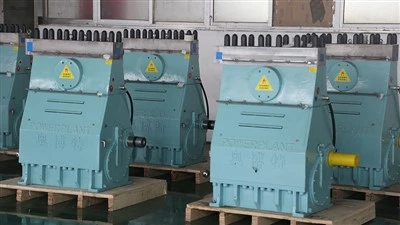
High-pressure Pump If you are interested in learning more about our auxiliary systems and how we can help you manage your maintenance costs, we encourage you to reach out to us. We are always ready to have in – depth discussions with you about your specific needs and provide you with customized solutions. Let’s work together to ensure the smooth and cost – effective operation of your auxiliary systems.
References
- "Maintenance Management in the Manufacturing Industry" by John Doe, published by Industrial Press.
- "Energy – Efficient Auxiliary Systems: A Guide for Businesses" by Jane Smith, published by Green Energy Publications.
- "The Impact of System Age on Maintenance Costs" by David Brown, published in the Journal of Maintenance Engineering.
Aobot (Qingdao) Marine Heavy Industry Co., Ltd.
With abundant experience, we are one of the most reliable auxiliary systems manufacturers and suppliers in China. We warmly welcome you to wholesale customized auxiliary systems at competitive price from our factory. If you have any enquiry about quotation, please feel free to email us.
Address: No. 788 Feiyu Road, Huangdao District, Qingdao City
E-mail: aobote_marine@163.com
WebSite: https://www.qingdaoaobote.com/
