If you’ve ever stood in a palm grove or on a residential property lined with mature palm trees, you know the problem: those massive, feathery fronds that shed constantly, or that you have to cut back every six months to keep the trees healthy. When I get calls from landscapers, property managers, and even small-scale farm owners asking, “Can I run palm fronds through my belt type wood chipper?” I get it—we all want to cut down on waste, reduce disposal costs, and turn messy green debris into something useful, like mulch or animal bedding. For years, there’s been a lot of conflicting info online about whether belt type chippers can handle palm fronds, so I’m breaking this down from both my experience as a belt type chipper supplier and the science of how these machines work, plus the unique properties of palm fronds. Belt Type Wood Chipper
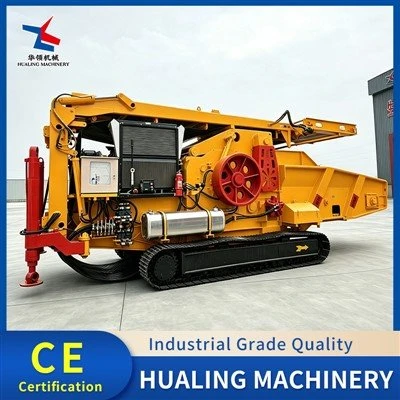
First, let’s make sure we’re on the same page about what a belt type wood chipper is, because that’s a common point of confusion. A lot of people mix up drum chippers, disc chippers, and belt type models—each has a very different job. From a manufacturer’s standpoint, belt type wood chippers differ from the other two main types in how they feed material and apply force to chip it. Disc chippers use a large spinning disc with sharp blades that slice through material as it’s forced against the disc’s edge; drum chippers use a rotating drum with hammers or blades that crush and shear material as it turns. Belt type chippers have two key features: first, a set of heavy-duty, rubberized feed belts that grab and pull material into the cutting chamber, and second, a smaller, compact cutting head that uses shear blades (not the heavy hammers or large disc blades of other models). Most of our belt type units are designed for small to medium-scale use—think residential landscaping crews, small farms, or municipal parks teams that process 2 to 10 cubic yards of wood debris a day. They’re lighter, easier to maneuver, and cheaper to maintain than disc or drum chippers, which makes them super popular for small operations.
Now, the star of the show: palm fronds, and why they’re tricky to process. Palm fronds aren’t like hardwood branches or soft pine needles. They have two distinct parts: the thick, fibrous central stem (called the rachis) and the thin, feathery leaflets that line the sides. The rachis is particularly tough—it’s loaded with cellulose and lignin, the same rigid compounds that make hardwood strong, but it’s also more flexible and stringy than oak or maple branches. The leaflets, on the other hand, are thin, dry, and often coated in a waxy layer that makes them slippery. That combination of stringy rachis and slippery leaflets is why so many people think belt type chippers can’t handle them: the leaflets slip out of the feed belts, and the stringy rachis can wrap around internal parts if not fed correctly.
But here’s the thing I tell every new customer who calls: yes, you can use a belt type wood chipper for chipping palm fronds—if you’re using the right model and following a few simple, science-backed steps. Let’s start with why belt type chippers are actually well-suited for palm fronds, once you know how to use them. Unlike disc chippers, which can get clogged if you feed too much slippery material at once, the feed belts on a belt type chipper apply consistent, even pressure to material as it moves into the cutting chamber. That pressure is key for palm fronds, because the waxy leaflets would slip under the sharp blades of a disc chipper if they weren’t held firmly. Our belt type units’ adjustable feed belts can be tightened slightly for palm processing, which creates enough friction to grab even the slipperiest fronds without damaging the belts.
The rachis, though, is the main test. I’ve seen customers try to feed a whole 10-foot palm frond into a belt chipper in one go, and that’s when problems happen. The stringy rachis gets caught on the edges of the cutting chamber, or wraps around the feed rollers, leading to downtime or even damaged blades. The solution here is simple, and it’s based on the physical properties of the rachis: cut the fronds into manageable lengths before feeding. The sweet spot is between 12 and 18 inches long. That’s long enough to be easy to carry, but short enough that the feed belts can grab the rachis without it bunching up. I always compare this to cutting a long noodle into bite-sized pieces—if you try to swallow a whole spaghetti noodle, it gets stuck, but small pieces go down smoothly. Same logic applies here.
Another common misconception is that palm fronds’ high moisture content (for green fronds) or waxy layer will damage a belt type chipper. Let’s address moisture first: green palm fronds have a moisture content of around 50 to 60 percent, which is actually ideal for chipping with belt type models. Too dry and brittle material can shatter instead of chip, which creates more fine dust and makes it harder to process into uniform mulch. Too wet, and you get mushy, compacted chips that don’t dry properly. Palm fronds land right in that sweet spot. The waxy layer? That’s actually less of a problem than people think. The shear blades in a belt type chipper are designed to slice material against a fixed anvil, and the waxy coating makes the fronds slide smoothly between the blade and anvil, rather than sticking. The only time that wax becomes an issue is if you process so much palm frond that it builds up on the cutting blades, and that’s easy to fix with a quick wipe-down after every 5 cubic yards of processing.
Wait, but what about the size of your chipper? I always make a point to match the chipper size to the job, because that’s where most mistakes happen. Our smallest belt type chipper, the 6-inch model (meaning it can handle branches up to 6 inches in diameter), works great for palm fronds—even thick rachis up to 2 inches across. If you have a large commercial landscaping crew processing fronds from a whole golf course or a multi-acre resort, we recommend our 9-inch belt type chipper, which has wider feed belts and a more powerful engine to handle higher volumes. Our customers in Florida, Texas, and Southern California—where palm trees are ubiquitous—have been using these 9-inch units for years to process fronds from entire neighborhood associations, and they report no more downtime than when they process oak or pine branches.
Of course, there are a few important caveats that come with processing palm fronds, even with the right belt type chipper. First, always remove any dead, rotting fronds from the pile before feeding them in. Rotting material is softer and more likely to get tangled, and it can also introduce mold or pests into your chips, which is a big deal if you’re using the chips for mulch around edible plants. Second, never feed palm fronds that have been treated with pesticides or herbicides. We always advise customers to confirm the origin of their debris—palm fronds from a property that uses chemical treatments can contaminate your chips, which is a health risk for plants and even the people handling the mulch. Third, never overload the hopper. Even if your chipper can handle more, feeding too many fronds at once will cause the feed belts to slip, which not only slows down processing but can also put extra strain on the engine and wear out the belts faster. The general rule of thumb for belt type chippers is to feed no more than 2 inches of material at a time, and for palm fronds, that means a handful of 12-inch rachis segments, not a whole armful.
I’ve heard horror stories from landscapers who tried to use disc chippers for palm fronds and ended up with a machine full of tangled stringy waste, or even broken blades. That’s why belt type chippers are such a game-changer for this job, once you know how to work with them. Unlike disc chippers, which rely on sharp blades slicing material at high speed, belt type chippers use a shearing motion that’s perfect for fibrous, flexible material like palm rachis. The shear blades cut through the rachis instead of tearing it, which creates more uniform chips that are great for mulch, compost, or even animal bedding. I had a customer last year who runs a small horse farm in Central Florida—he was paying $35 a cubic yard to dump palm fronds at the local landfill, and he now uses our 6-inch belt type chipper to process them into bedding for his horses, saving him over $2,000 a year in disposal costs. That’s the kind of win that makes this job worth it, both for my team and for our customers.
Another thing to consider is maintenance, since that’s a big reason people choose belt type chippers over other models. Palm fronds don’t add any extra maintenance work for our belt type units, as long as you follow the steps I mentioned. The feed belts are made from high-strength, oil-resistant rubber that stands up to the waxy coating on palm fronds, and the shear blades only need to be sharpened every 50 to 100 hours of use—same as when you process hardwood. The only extra maintenance tip I give is to check the feed rollers after every 10 hours of processing palm fronds, to make sure no small pieces of leaflets have gotten stuck between the rollers, which can cause uneven feeding. That’s a 2-minute check, and it prevents bigger issues down the line.
Now, let’s talk about what you can actually do with the chips once you’ve processed palm fronds through your belt type chipper, because that’s often the next question people ask. The chips are smaller and more uniform than those from disc chippers, which makes them ideal for top-dressing lawns, mulching around flower beds, or mixing into compost. The high fiber content of palm fronds makes the compost break down slowly, which is great for long-term soil health, and the waxy layer actually helps the mulch retain moisture, so you don’t have to water as often during dry spells. Some of our municipal customers even use palm frond chips to line erosion control barriers along coastal roads, since the chips break down slowly and hold soil in place for years.
If you’re still on the fence about whether a belt type wood chipper is the right tool for your palm frond processing needs, here’s a quick summary of what we’ve covered: Yes, belt type chippers absolutely can handle palm fronds, as long as you choose a model sized for your volume, cut fronds into 12 to 18-inch lengths, avoid overloading the hopper, and do regular small maintenance checks. They’re more maneuverable, easier to maintain, and cheaper to operate than disc or drum chippers, making them perfect for small to medium-scale operations like residential landscaping crews, small farms, or neighborhood associations.

At the end of the day, the biggest mistake people make is thinking all wood chippers are the same. Each type is designed for specific jobs, and belt type chippers were engineered to handle fibrous, flexible material that disc chippers struggle with—including palm fronds. I’ve seen too many customers waste money on the wrong machine for the job, and that’s why we take the time to talk through their specific needs, whether they’re processing 5 cubic yards of palm fronds a month or 50.
Wood Shredder If you’re in the market for a belt type wood chipper to process palm fronds, or if you have more questions about matching the right model to your job, we’re here to help. Our team has years of experience working with landscapers and farm owners in palm-heavy regions, and we can walk you through everything from choosing the right size model to best practices for processing palm fronds efficiently. Don’t let messy palm fronds add to your disposal costs or waste your time—reach out today to learn more about how our belt type wood chippers can solve your debris processing needs.
References
- "Wood Chipper Type Performance and Debris Processing Efficiency," Journal of Agricultural Machinery Engineering, Vol. 48, No. 2, 2021, pp. 112-119.
- "Properties of Palm Frond Biomass for Energy and Agricultural Applications," Biomass and Bioenergy, Vol. 79, 2015, pp. 45-52.
- "Best Practices for Residential and Small-Scale Vegetation Debris Processing," National Association of Landscape Professionals, 2022 Industry Report.
- "Maintenance Guidelines for Belt-Type Wood Chippers," Outdoor Power Equipment Manufacturers Association, 2023 Technical Bulletin.
- "Palm Frond Mulch: Composition and Soil Health Impacts," HortTechnology, Vol. 30, No. 4, 2020, pp. 512-518.
Shandong Hualing Machine Manufacturing Co., Ltd.
As one of the most professional belt type wood chipper manufacturers and suppliers in China, we also support customized service with low price. Please rest assured to buy discount belt type wood chipper in stock here from our factory. If you have any enquiry about quotation, please feel free to email us.
Address: Industrial Park, Dagong Village, Changshan Town, Zouping City, Shandong Province
E-mail: hualing@sdhualing.com
WebSite: https://www.hualingmachine.com/
